Driftwood floods: why coastal rivers sweep everything away (and what we have to do with it)
6 min readPlayaMagma
Rain is natural. What turns it into destruction is what it finds on its way: logged hillsides, abandoned trunks and branches, and the trash we keep dumping in creeks, ditches, roadsides and beaches.
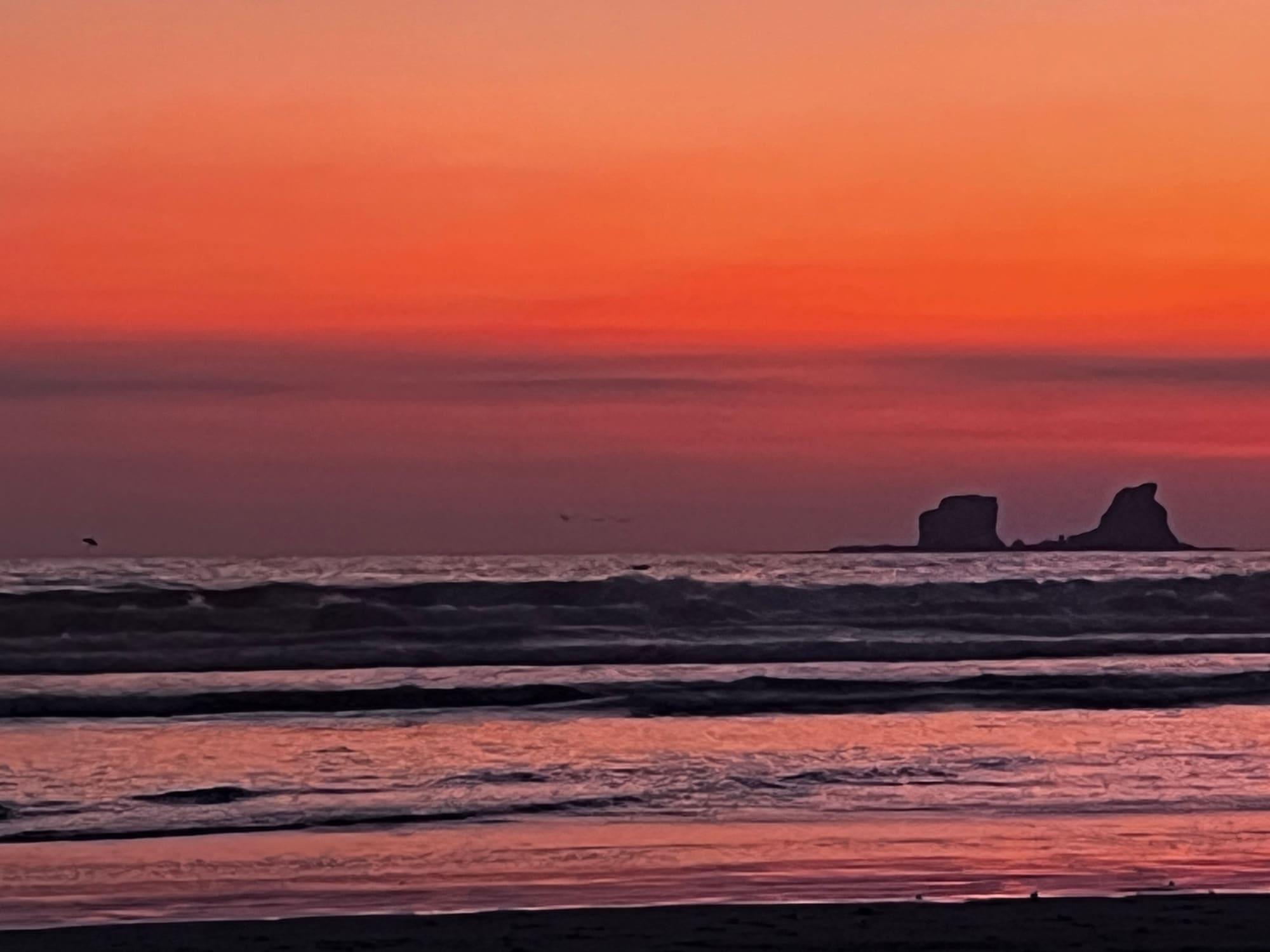
In November 2026 the beaches of Olón, Montañita, Ayampe and Puerto López woke up covered in logs, branches, mud and trash. It is called palizada, and it is not the first time: in March this year about 14 kilometers of beach in the Playas canton were covered in debris. Every heavy rain brings the same scene, and every time we say the same thing: "it was El Niño". But water only carries what it finds on its way.
What palizada is and how it forms
With heavy rain, rivers and streams swell and their current tears away everything on their banks and on the slopes that drain into them: logs, branches, soil and rocks. That material rushes downstream to the sea, and then currents, wind and waves push it back onto the sand, even on beaches far from the river mouth. When the water recedes, the wood is left stranded on shore.
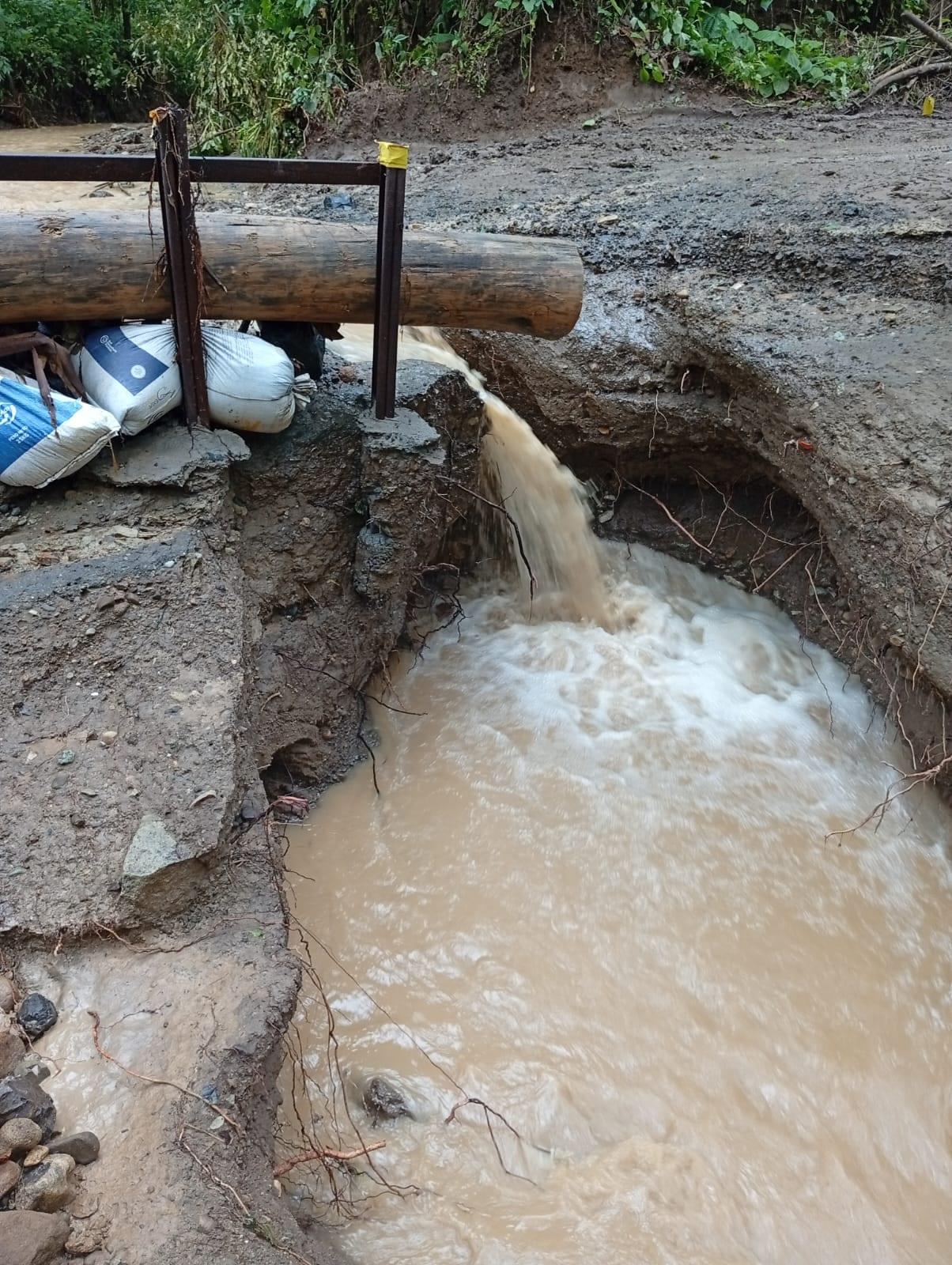
Along the way, that material is far from harmless. A log riding a flood works like a battering ram: it strikes, wedges itself against bridges, blocks the flow and makes the river overflow where it shouldn't. FAO documents it: trees uprooted by floods lodge on bridges, add force to the flood and sometimes bring the bridges down. That is how roads, bridges and crops disappear, like the stretch of the road to our farm that a creek swept away on November 1 and 2.
Rain is natural. What turns it into destruction is what we leave in its path.
Reckless logging: hillsides without roots
The dry forest of coastal Ecuador is one of the most deforested and fragmented in the country, and among the least protected. When a hillside is logged, the soil loses the roots that held it: rain washes it away, landslides happen, and all that soil and vegetation ends up in the river. FAO recognizes that forests play an important role in preventing shallow landslides, and that clearing them or managing them poorly increases flooding and landslides during heavy rain.
To be precise: deforestation does not create El Niño's big rains. But it multiplies erosion and the material the water has at hand to carry. And one habit makes everything worse: logging and leaving behind what isn't useful. Trunks, branches and wood scraps abandoned on slopes, creeks and riverbanks are exactly what the first flood carries downstream.
The trash we leave where the water runs
It isn't only wood. Rubble, tires, plastic, trash bags and all kinds of waste get dumped in creeks, ditches, dry riverbeds and roadsides because "they're out of the way there". Until it rains. Then the water picks them up, clogs culverts and bridges, and spreads them across roads and beaches.
The numbers show it: in the national cleanup day on September 19, 2026, more than 7,500 volunteers collected almost 26 tonnes of waste from beaches, rivers, lagoons and creeks in a single day, most of it plastic. That trash didn't get there on its own: someone dumped it.
We keep dumping trash on roadsides, in ditches and on beaches… and then we complain when the river takes it and brings it back to us.
What we can do
- Don't dump trash in creeks, ditches, dry riverbeds, roadsides or beaches. Not "just a little", not "only organic scraps".
- If you cut or prune trees, don't leave trunks or branches on slopes, banks or riverbeds: remove them or use them away from the water's path.
- Protect and replant hillsides and the banks of rivers and creeks with native dry-forest species.
- Take back everything you bring to the beach, and pick up a little extra when you leave.
- Join your community's beach and creek cleanups.
- Ask local authorities to clear riverbeds before the rainy season and to control illegal logging.
Sources
- El Universo — Playas de Santa Elena y Manabí se llenan de palizada y sedimentos por las fuertes lluvias
- KCH FM · November 7, 2026 — Playas de Santa Elena y Manabí se llenan de palizada y sedimentos por las fuertes lluvias
- Primicias — ¿Qué es la palizada, fenómeno que invade Montañita, Ayampe, Olón y otras playas de Ecuador?
- Radiocentro — Santa Elena y Manabí sufren los estragos de la palizada
- FAO — Forests and landslides: the role of trees and forests in the prevention of landslides and rehabilitation of landslide-affected areas in Asia
- FAO — Forest-related disasters: three case studies and lessons for management
- Water International — Forests and floods in Latin America: science, management, policy and the EPIC FORCE project
- Universidad de Córdoba (Helvia) — Teledetección y SIG aplicados al seguimiento de procesos de deforestación en bosques secos de Ecuador
- Teleamazonas · September 20, 2026 — 7 500 voluntarios retiraron 25 toneladas de basura de playas y ríos de Ecuador en minga nacional
- Expreso — La basura que Ecuador encontró en sus playas, ríos y lagunas
Feeling the pull?
Message us on WhatsApp and we'll help you plan your dates, your days and your cabin.